Accident & Fractures
Accidents and fractures are common orthopaedic emergencies that require timely and accurate treatment to restore bone strength, joint function, and mobility. Injuries caused by road accidents, falls, sports activities, or trauma can affect bones, joints, muscles, and ligaments.
Proper evaluation and early management of fractures and injuries are essential to prevent complications and ensure optimal recovery. Modern treatment approaches focus on precise diagnosis, stable fixation, and faster rehabilitation.
Common Types of Injuries and Fractures
- Road Traffic Accident Injuries: Fractures and soft tissue injuries caused by vehicle accidents.
- Falls and Trauma: Injuries due to slips, falls, or impact trauma.
- Sports Injuries: Bone fractures, ligament tears, and joint injuries in athletes.
- Upper Limb Fractures: Fractures of the arm, forearm, wrist, and hand.
- Lower Limb Fractures: Fractures of the thigh, leg, ankle, and foot.
- Joint Dislocations: Displacement of joints such as shoulder, elbow, or hip.
Treatment Approaches
- Emergency Stabilization: Immediate care to reduce pain and prevent further injury.
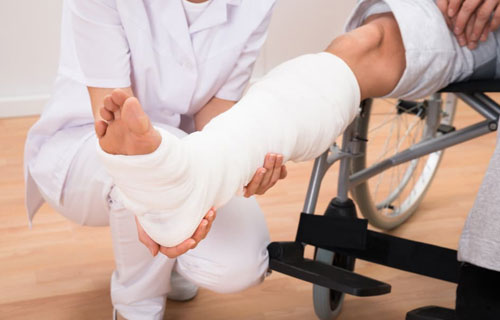
- Non-Surgical Treatment: Casting, splinting, and immobilization for stable fractures.
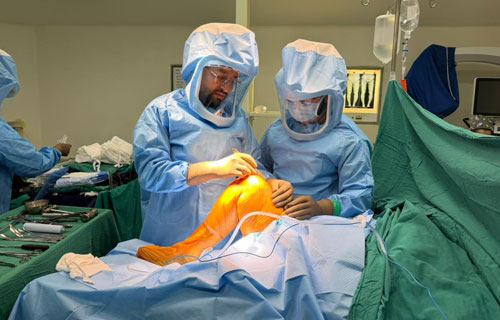
- Surgical Fixation: Use of plates, screws, rods, or nails for complex fractures.
- Minimally Invasive Techniques: Advanced methods for faster healing and reduced tissue damage.
- Rehabilitation and Physiotherapy: Structured recovery programs to restore strength and mobility.
Key Benefits of Timely Treatment
- Faster Healing: Proper treatment promotes optimal bone healing.
- Restored Mobility: Helps patients regain movement and function.
- Reduced Complications: Prevents deformities, stiffness, and chronic pain.
- Improved Joint Function: Ensures stability and strength of affected joints.
- Better Quality of Life: Enables patients to return to normal activities sooner.
Recovery and Rehabilitation
Recovery after accidents and fractures depends on the severity of the injury and the treatment method used. Physiotherapy and gradual mobilization play a crucial role in restoring joint movement, muscle strength, and functional ability.
When to Seek Medical Attention
You should seek immediate medical care if you experience:
- Severe pain or swelling after an injury
- Visible deformity or inability to move a limb
- Persistent pain after a fall or accident
- Numbness, weakness, or instability in a joint
- Open wounds or suspected fractures
Early diagnosis and appropriate treatment are crucial for proper healing and long-term recovery after accidents and fractures.
Please Check for More Information - Important-links