Intraarticular Injections
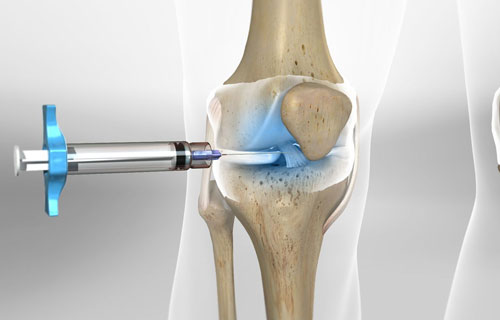
Intraarticular injections are minimally invasive treatments in which medication is directly injected into a joint to relieve pain, reduce inflammation, and improve joint function. These injections are commonly used for knee, shoulder, hip, and other joint conditions, especially when conservative treatments are not providing sufficient relief.
This procedure is often recommended for patients with arthritis, joint injuries, or chronic joint pain as it provides targeted relief with minimal downtime and faster recovery compared to surgical options.
Common Types of Intraarticular Injections
- Corticosteroid Injections: Reduce inflammation and provide quick pain relief in arthritic or inflamed joints.
- Hyaluronic Acid Injections: Improve joint lubrication and cushioning, especially in osteoarthritis.
- Platelet-Rich Plasma (PRP) Injections: Use the body’s own growth factors to promote healing and tissue repair.
- Viscosupplementation: Enhance joint fluid quality to improve movement and reduce friction.
- Local Anesthetic Injections: Provide temporary pain relief and diagnostic support.
Conditions Treated with Intraarticular Injections
- Osteoarthritis: Degenerative joint disease causing pain and stiffness.
- Rheumatoid Arthritis: Inflammatory joint disorder affecting joint lining.
- Sports Injuries: Joint pain or inflammation due to ligament or cartilage injuries.
- Post-Traumatic Joint Pain: Pain following fractures or joint injuries.
- Chronic Joint Inflammation: Persistent swelling and discomfort in joints.
Key Benefits of Intraarticular Injections
- Targeted Pain Relief: Medication is delivered directly to the affected joint.
- Minimally Invasive: No surgical incisions or hospital stay required.
- Quick Procedure: Usually completed within a short time.
- Faster Recovery: Patients can resume daily activities soon after the procedure.
- Delay in Surgery: Helps postpone or avoid joint replacement surgery in some cases.
- Improved Joint Function: Enhances movement and reduces stiffness.
Procedure Overview
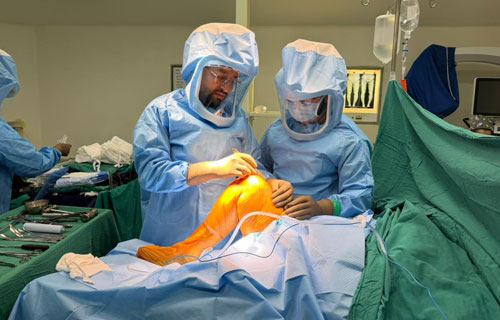
During the procedure, the joint area is cleaned and the medication is injected using a fine needle under sterile conditions. In some cases, imaging guidance may be used to ensure accurate placement of the injection.
Recovery and Aftercare
Most patients experience relief within a few days after the injection. Mild soreness at the injection site may occur but usually resolves quickly. Regular follow-up and lifestyle modifications, including physiotherapy and weight management, can help maintain long-term benefits.
When to Consider Intraarticular Injections
You should seek medical evaluation if you experience:
- Persistent joint pain not relieved by medication or physiotherapy
- Joint stiffness or reduced range of motion
- Swelling or inflammation in joints
- Difficulty in performing daily activities due to joint pain
- Recurring joint pain affecting quality of life
Timely use of intraarticular injections can help control pain, improve joint function, and enhance overall quality of life.