PRP Therapy
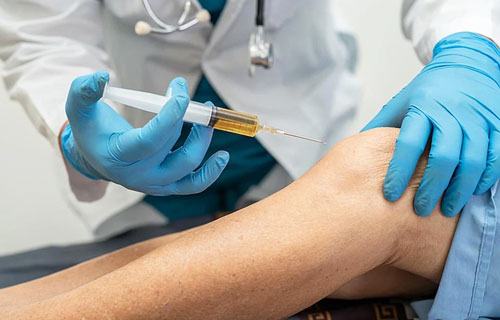
PRP (Platelet-Rich Plasma) therapy is an advanced, minimally invasive treatment that uses the body’s own healing potential to repair damaged tissues and reduce pain. It involves injecting a concentrated form of platelets derived from the patient’s blood into the affected joint or tissue to promote natural healing.
PRP therapy is widely used in orthopaedics to treat joint pain, sports injuries, and degenerative conditions. It is considered a safe and effective option for patients seeking non-surgical solutions for musculoskeletal problems.
Conditions Treated with PRP Therapy
- Knee Osteoarthritis: Reduces pain and improves joint function in degenerative knee conditions.
- Sports Injuries: Promotes healing of ligament, tendon, and muscle injuries.
- Tendon Injuries: Effective in conditions like tennis elbow and Achilles tendinitis.
- Ligament Tears: Supports recovery from partial ligament injuries.
- Chronic Joint Pain: Helps manage long-standing joint pain and inflammation.
- Shoulder and Hip Disorders: Improves symptoms in various joint-related conditions.
Key Benefits of PRP Therapy
- Natural Healing: Uses the patient’s own blood components to stimulate tissue repair.
- Minimally Invasive: Requires no surgery or large incisions.
- Reduced Pain and Inflammation: Helps control symptoms without long-term medication use.
- Faster Recovery: Shorter downtime compared to surgical procedures.
- Safe and Biocompatible: Low risk of allergic reactions or complications.
- Delay in Surgery: May postpone the need for joint replacement in some cases.
Procedure Overview
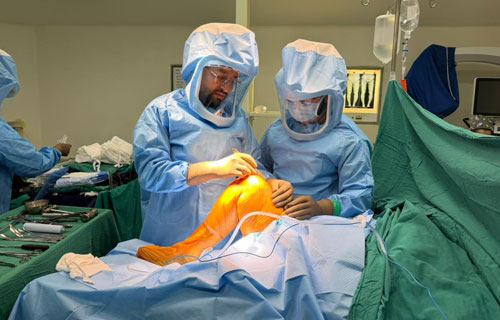
The procedure involves drawing a small amount of the patient’s blood, processing it in a centrifuge to concentrate the platelets, and injecting the PRP solution into the affected area under sterile conditions. The entire process is usually completed within a short time.
Recovery and Aftercare
Most patients can resume normal activities shortly after PRP therapy. Mild discomfort or swelling at the injection site may occur but typically subsides within a few days. Physiotherapy and lifestyle modifications can further enhance treatment outcomes.
When to Consider PRP Therapy
You should seek medical evaluation if you experience:
- Persistent joint or muscle pain not relieved by medication
- Sports-related injuries with slow healing
- Early-stage arthritis symptoms
- Chronic tendon or ligament pain
- Difficulty in performing daily activities due to joint discomfort
PRP therapy offers a promising, natural approach to pain relief and tissue healing, helping patients regain mobility and improve their quality of life.