Arthroscopy (Knee/Shoulder)
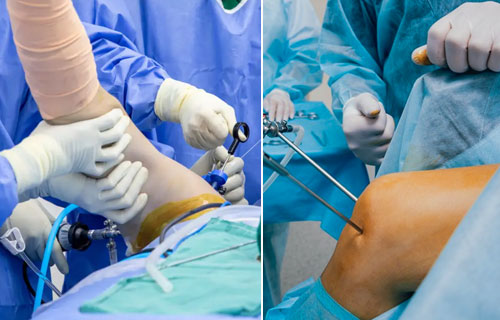
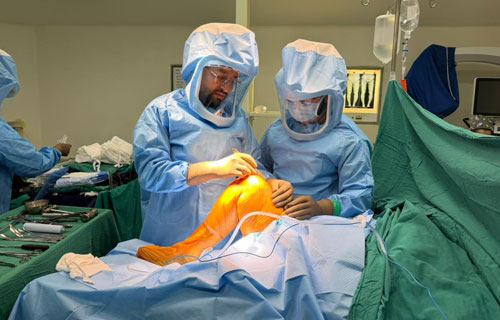
Arthroscopy is a minimally invasive surgical procedure used to diagnose and treat problems of the knee and shoulder joints. It involves the use of a small camera and specialized instruments inserted through tiny incisions, allowing precise treatment with minimal damage to surrounding tissues.
This technique is widely used for joint injuries and disorders because it offers faster recovery, less pain, and better functional outcomes compared to traditional open surgery.
Conditions Treated with Arthroscopy
Knee Arthroscopy is commonly used for:
- Ligament Injuries: Treatment of ACL, PCL, and other ligament tears caused by sports injuries or accidents.
- Meniscus Tears: Repair or removal of damaged cartilage that causes pain, locking, or instability in the knee.
- Cartilage Damage: Management of worn or damaged cartilage to improve joint movement and reduce discomfort.
- Sports Injuries: Diagnosis and treatment of knee injuries in athletes and physically active individuals.
- Joint Stiffness and Swelling: Evaluation and treatment of chronic knee pain, stiffness, or swelling.
- Loose Bodies in the Joint: Removal of small bone or cartilage fragments that restrict joint movement.
Shoulder Arthroscopy is commonly used for:
- Rotator Cuff Tears: Repair of torn tendons that cause shoulder pain and weakness.
- Shoulder Instability: Treatment of recurrent shoulder dislocation and joint instability.
- Labral Tears: Repair of cartilage tears around the shoulder socket that affect joint stability.
- Frozen Shoulder: Release of tight joint structures to improve shoulder mobility.
- Impingement Syndrome: Treatment of shoulder pain caused by tendon compression.
- Sports-Related Shoulder Injuries: Management of injuries caused by repetitive overhead activities or trauma.
How Arthroscopy Works
During arthroscopy, a small camera provides a clear view inside the joint, helping the surgeon identify the exact cause of the problem. Specialized instruments are then used to repair or remove damaged tissues. Because the procedure is minimally invasive, it causes less trauma to the joint and surrounding structures.
Key Benefits of Arthroscopy
- Minimally Invasive Approach: Small incisions result in less tissue damage compared to open surgery.
- Reduced Pain and Swelling: Patients usually experience less postoperative pain and inflammation.
- Faster Recovery Time: Most patients return to daily activities sooner than with traditional surgery.
- Improved Joint Function: Restores stability, strength, and range of motion in the affected joint.
- Short Hospital Stay: Often performed as a day-care procedure with quick discharge.
- Better Cosmetic Results: Smaller scars and improved healing outcomes.
Recovery and Rehabilitation
Recovery after arthroscopy depends on the type of injury and procedure performed. A structured physiotherapy and rehabilitation program is essential to regain joint strength, flexibility, and function. With proper care and exercises, most patients can resume normal activities and sports within a few weeks to months.
When to Seek Medical Advice
You should consult a specialist if you experience:
- Persistent knee or shoulder pain that does not improve with rest or medication
- Swelling, stiffness, or reduced joint movement
- Recurrent joint injuries or instability
- Difficulty in performing daily activities or sports
- Pain after injury or accident that does not subside
Early evaluation and timely treatment can help prevent long-term joint damage and improve quality of life.