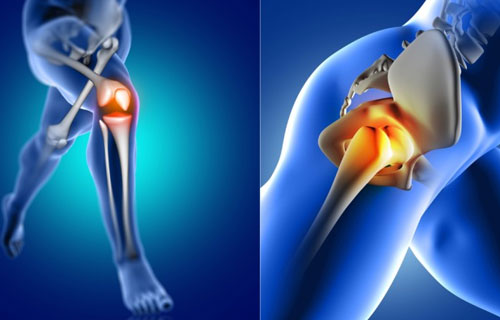
Revision Hip & Knee Replacement
Revision hip and knee replacement is a specialized surgical procedure performed to correct or replace a previously implanted artificial joint that has failed, worn out, become loose, or developed complications. This procedure helps restore joint stability, function, and comfort when primary joint replacement no longer provides relief.
Revision surgery is more complex than primary joint replacement and requires careful evaluation, advanced surgical techniques, and precise planning to achieve optimal outcomes.
Common Reasons for Revision Surgery
- Implant Wear and Tear: Gradual wear of artificial joint components over time.
- Loosening of Implant: Loss of stability of the artificial joint.
- Infection: Infection around the joint replacement requiring surgical intervention.
- Joint Instability: Recurrent dislocation or abnormal joint movement.
- Fractures Around the Implant: Bone fractures near the artificial joint.
- Persistent Pain or Stiffness: Ongoing discomfort despite previous surgery.
Key Benefits of Revision Hip & Knee Replacement
- Relief from Pain: Reduces chronic joint pain and discomfort.
- Improved Joint Function: Restores mobility and stability of the joint.
- Correction of Complications: Addresses problems from previous joint replacement.
- Enhanced Joint Longevity: Improves durability and performance of the new implant.
- Better Quality of Life: Helps patients regain independence and daily activity levels.
Procedure Overview
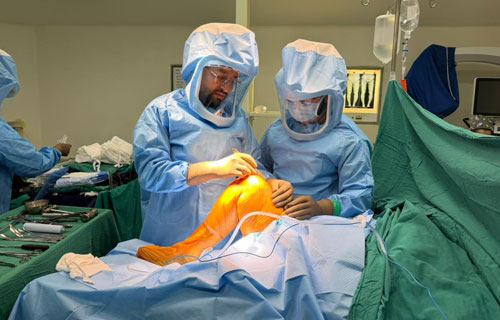
During revision surgery, the surgeon removes the old or damaged implant and replaces it with a new artificial joint. Additional procedures such as bone grafting or specialized implants may be required to restore bone structure and joint stability.
Recovery and Rehabilitation
Recovery after revision hip or knee replacement varies depending on the complexity of the surgery. A comprehensive rehabilitation program, including physiotherapy and gradual mobilization, is essential to achieve optimal recovery and functional improvement.
When to Consider Revision Joint Replacement
You should seek medical evaluation if you experience:
- Increasing pain or swelling in a previously replaced joint
- Difficulty in walking or performing daily activities
- Instability or abnormal movement of the joint
- Signs of infection such as fever, redness, or warmth around the joint
- Reduced function of the artificial joint over time
Early assessment and timely revision surgery can help restore joint function, reduce complications, and improve long-term outcomes.