Limb Reconstruction Surgeries
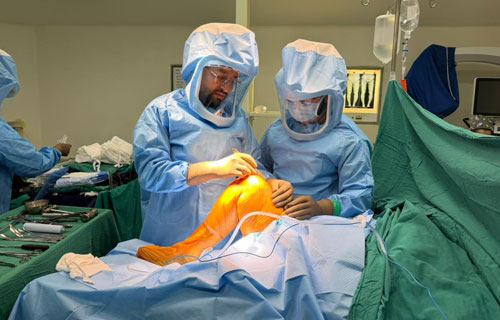
Limb reconstruction surgeries are advanced orthopaedic procedures performed to restore the structure, length, alignment, and function of damaged or deformed limbs. These surgeries are often required after severe trauma, infections, congenital deformities, or complications of previous surgeries.
The primary goal of limb reconstruction is to improve limb function, correct deformities, and enhance mobility. Modern surgical techniques and specialized fixation devices help achieve stable bone healing and long-term functional outcomes.
Conditions Treated with Limb Reconstruction
- Complex Fractures: Severe fractures that fail to heal properly or result in deformity.
- Non-Union and Malunion: Bones that do not heal or heal in an incorrect position.
- Limb Length Discrepancy: Difference in length between two limbs.
- Post-Traumatic Deformities: Deformities caused by accidents or injuries.
- Bone Infections (Osteomyelitis): Chronic infections affecting bone structure.
- Congenital Limb Deformities: Structural abnormalities present from birth.
Surgical Techniques Used
- Internal Fixation: Use of plates, screws, and rods to stabilize bones.
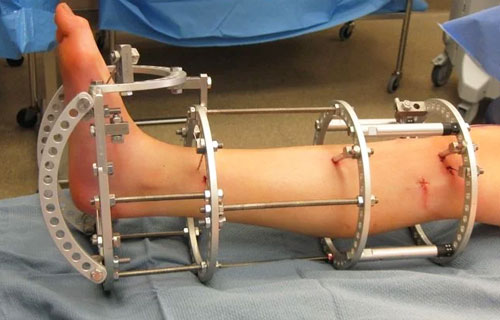
- External Fixation: Specialized frames to correct deformities and lengthen limbs.
- Bone Grafting: Transplantation of bone tissue to promote healing.
- Limb Lengthening Procedures: Gradual correction of limb length differences.
- Corrective Osteotomy: Surgical cutting and realignment of bones.
Key Benefits of Limb Reconstruction Surgeries
- Restoration of Limb Function: Improves movement and weight-bearing ability.
- Correction of Deformities: Enhances limb alignment and appearance.
- Improved Mobility: Helps patients walk and perform daily activities with ease.
- Reduced Pain and Disability: Alleviates chronic pain and functional limitations.
- Long-Term Stability: Ensures durable and reliable bone healing.
Recovery and Rehabilitation
Recovery after limb reconstruction surgery varies depending on the complexity of the procedure. A structured rehabilitation program, including physiotherapy and gradual weight-bearing, is essential to regain strength, flexibility, and functional ability.
When to Seek Medical Evaluation
You should consult a specialist if you experience:
- Persistent pain or deformity after fracture healing
- Difficulty in walking or using a limb
- Unequal limb length or abnormal limb alignment
- Repeated fractures or delayed bone healing
- Chronic bone infections or complications after surgery
Early diagnosis and timely intervention can significantly improve outcomes and restore normal limb function.