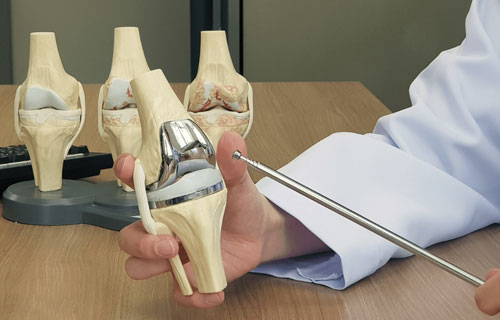
When Is Total Knee Replacement the Right Choice?
Total Knee Replacement (TKR) is a highly effective surgical procedure for people suffering from severe knee pain and joint damage. It is usually recommended when knee problems significantly affect daily activities and non-surgical treatments fail to provide relief.
Knee pain can result from arthritis, injuries, or degenerative conditions. While medications, physiotherapy, and lifestyle changes can help in early stages, advanced knee damage may require surgical intervention to restore mobility and improve quality of life.
Common Conditions Leading to Knee Replacement
- Osteoarthritis: The most common cause of knee joint damage due to wear and tear.
- Rheumatoid Arthritis: Chronic inflammation causing joint destruction.
- Post-Traumatic Arthritis: Joint damage after fractures or injuries.
- Severe Knee Deformity: Bow legs or knock knees causing functional problems.
- Advanced Cartilage Loss: Severe degeneration of joint cartilage.
Signs You May Need Total Knee Replacement
- Persistent knee pain even at rest or at night
- Difficulty in walking, climbing stairs, or standing for long periods
- Severe stiffness and reduced knee movement
- Swelling and inflammation that do not improve with treatment
- Failure of medications, injections, or physiotherapy to relieve pain
Benefits of Total Knee Replacement
- Significant Pain Relief: Eliminates chronic knee pain.
- Improved Mobility: Restores joint movement and function.
- Better Quality of Life: Enables patients to resume daily activities.
- Long-Lasting Results: Modern implants can last for many years.
- High Success Rate: Most patients experience excellent outcomes.
Recovery After Knee Replacement
Recovery after total knee replacement involves physiotherapy, gradual mobilization, and lifestyle modifications. Most patients start walking within a few days after surgery and can return to normal activities within a few weeks to months.
Conclusion
Total knee replacement is the right choice when knee pain severely affects daily life and conservative treatments no longer work. Early consultation with an orthopaedic specialist can help determine the best treatment plan and ensure better outcomes.