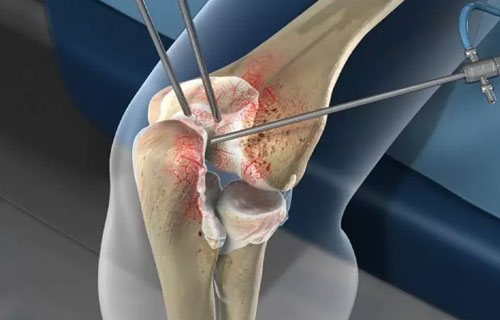
Arthroscopy: A Minimally Invasive Solution for Joint Problems
Arthroscopy is a modern surgical technique used to diagnose and treat joint problems with minimal invasion. It involves the use of a small camera and specialized instruments inserted through tiny incisions, allowing doctors to clearly view and treat joint conditions with precision.
This advanced procedure is commonly used for knee and shoulder joints and is preferred because it causes less pain, smaller scars, and faster recovery compared to traditional open surgery.
Common Joint Problems Treated with Arthroscopy
- Ligament Injuries: Tears of ACL, PCL, and other ligaments caused by sports injuries or trauma.
- Meniscus Tears: Damage to knee cartilage leading to pain and instability.
- Rotator Cuff Tears: Shoulder tendon injuries causing pain and weakness.
- Labral Tears: Cartilage damage in the shoulder joint affecting stability.
- Cartilage Damage: Wear and tear of joint surfaces due to aging or injury.
- Loose Bodies in Joints: Small bone or cartilage fragments causing joint locking.
Key Benefits of Arthroscopy
- Minimally Invasive: Small cuts with minimal tissue damage.
- Less Pain and Swelling: Faster healing and reduced discomfort.
- Quick Recovery: Patients return to daily activities sooner.
- Improved Joint Function: Restores movement and stability.
- Short Hospital Stay: Often performed as a day-care procedure.
Recovery After Arthroscopy
Recovery depends on the type of joint problem and procedure performed. Physiotherapy plays a crucial role in regaining strength, flexibility, and joint function. Most patients can resume normal activities within a few weeks with proper rehabilitation.
When to Consult a Specialist
You should seek medical advice if you experience:
- Persistent joint pain or swelling
- Difficulty in moving the knee or shoulder
- Joint instability or repeated injuries
- Pain that does not improve with medication or rest
- Restricted joint movement affecting daily activities
Early diagnosis and timely arthroscopic treatment can help prevent long-term joint damage and restore an active, pain-free lifestyle.