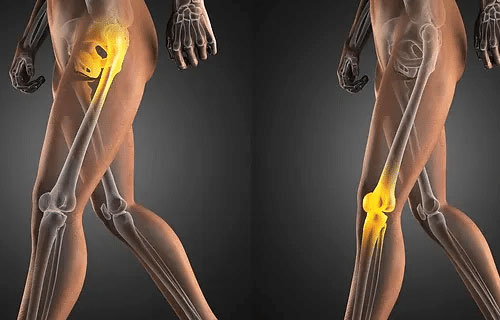
Effective Treatments for Chronic Hip and Knee Joint Pain
Chronic hip and knee joint pain is a common problem that affects people of all ages, especially older adults and individuals with an active lifestyle. Long-term joint pain can limit movement, reduce quality of life, and make daily activities difficult.
With advances in orthopaedic care, several effective treatment options are available to relieve pain, improve joint function, and restore mobility.
Common Causes of Hip and Knee Joint Pain
- Osteoarthritis: Wear and tear of joint cartilage due to aging.
- Rheumatoid Arthritis: Autoimmune inflammation affecting joints.
- Injuries: Ligament tears, fractures, or sports-related trauma.
- Obesity: Excess body weight putting pressure on joints.
- Overuse: Repetitive strain from physical activity or work.
- Degenerative Joint Conditions: Progressive damage to joint structures.
Non-Surgical Treatment Options
- Medications: Pain relievers and anti-inflammatory drugs to reduce discomfort.
- Physiotherapy: Exercises to strengthen muscles and improve joint flexibility.
- Lifestyle Changes: Weight management and activity modification to reduce joint stress.
- Intra-articular Injections: Steroid, hyaluronic acid, or PRP injections for pain relief.
- Supportive Devices: Knee braces, walking aids, or orthotics for stability.
Advanced Treatment Options
- Arthroscopy: Minimally invasive procedure to treat joint damage.
- Joint Replacement Surgery: Replacement of damaged joints in severe cases.
- Cartilage Repair Techniques: Procedures to restore damaged cartilage.
- Minimally Invasive Surgeries: Faster recovery with less tissue damage.
Benefits of Timely Treatment
- Pain Relief: Significant reduction in chronic joint pain.
- Improved Mobility: Better movement and joint function.
- Enhanced Quality of Life: Ability to perform daily activities comfortably.
- Prevention of Further Damage: Early treatment slows joint degeneration.
When to Consult a Specialist
You should seek medical advice if you experience:
- Persistent hip or knee pain lasting more than a few weeks
- Difficulty in walking, climbing stairs, or standing
- Swelling, stiffness, or reduced joint movement
- Pain that does not improve with medication or rest
- Joint deformity or instability
Early diagnosis and personalized treatment can help manage chronic hip and knee joint pain effectively and restore an active, pain-free life.